On farming and nature in Wales (Part Two)

Click here to read Part One.

You would never realise this from the rhetoric put out by the Welsh farming industry. Its emphasis is always on the cosy image of ‘family farms’ ‘feeding the nation’ and ‘looking after the wildlife’ on their land. Given the massive loss of wildlife that has taken place on farmland and the fact that a large proportion of Welsh farming products is exported, this is quite misleading. ‘Looking after what is left of the wildlife’ would be more accurate. One might sympathise with the argument that the prices that farmers receive for their products (by supermarkets, for example) force them to intensify their methods. But it does not take into account the fact that the majority – sometimes a very large majority- of their income is guaranteed anyway by the simple fact that they own (or rent) land. Any attempt to improve the lot of nature on farmland has been loudly criticised by the farming unions, and by and large Governments have backed down.

None of this is to decry the minority of farmers who use organic, nature-friendly or regenerative methods. These individuals are a beacon of hope amongst the majority, many of whom seem to believe that they are entitled to do whatever they like with their land, no matter what the cost to nature, and despite the fact they are receiving massive public funding.

Following the UK’s exit from the European Union a change began to take place in its Government’s attitude towards nature loss and agriculture. There was (at last) a recognition that the intensification of farming has led to the loss of wildlife on a massive scale. The new mantra became “Public Goods for Public Money”. In Wales this resulted in the development of the Sustainable Farming Scheme , despite furious objections from the farming unions and a hardcore of recalcitrant farmers.

In its current form the new ‘Universal Layer’ includes a requirement that 10% of land on any farm should be retained as or returned to ‘habitat’, plus other measures to support wildlife. Phasing-in of the Universal Layer of the SFS began during 2026 but in its first year only half of Welsh farmers had entered it. The remainder were content to take a 40% cut in their Basic Payment and to carry on under the old regime. It remains to be be seen if they will be able to hold out without subsidies as the Basic Payment is progressively reduced. But with an adequate level of funding, and with the addition of the ‘Optional’ and ‘Collaborative’ Layers in years to come, the tide may at last be turning on the loss of wildlife on farmland in Wales.

JEREMY MOORE : October 2026

(With apologies to Tom for re-ordering his text!)

To read more Tales from Wild Wales as they are published, please click the Follow button
On farming and nature in Wales (Part One)

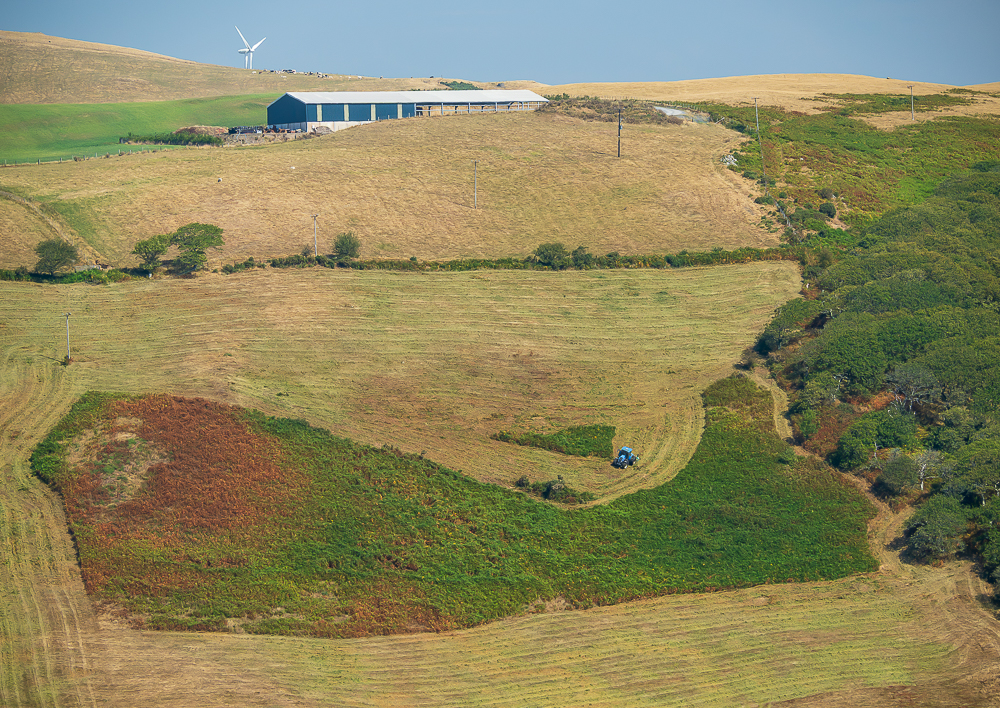
First a heads up. This post is not about photography, so some of you may like to look elsewhere. Having said that I’ll add a few words about the above image, which shows the hillside opposite my house. Visually I was attracted to the work the farmer was doing, ridding his land of bracken and gorse. I took a series of images as the bracken patch became smaller and smaller until it finally disappeared. Fortunately I took one photograph of the entire hillside, because over the following weeks it became my favourite. It’s not a great composition and looks rather random. And that is its strong point, because so much of the Welsh landscape is just as random, with buildings and structures thrown up wherever it is convenient. So I’ll leave that thought with you before I go on to the main text.

**************************

In his excellent book “Sarn Helen” Tom Bullough includes quotations from some mid-Wales farmers dating from 2016.

He quotes his own father, who worked as a contract sileage maker, “How I hated watching those hay crops disappear. It had been going on for centuries but it made it no easier……. All those wild flowers coming up, they’ve lost them all now. I wish I’d had a camera then to take photographs of them…. “

“There’d be yellowhammers, pewits, curlews…. there’d be birds, then, from bottom to top!” adds May Lewis.

Tom’s friend Gerwyn Davies tells him :”Originally my granddad would have chosen what was best according to what he knew about his land. Every crop you can imagine would be on that farm. He had all the different feeds for the animals – oats, barley……. wheat.“

Cliff Pugh, who was 82 years old at the time. “I tell you. I don’t think anybody’s known such a change, in a generation, as in mine”

Tom concludes “Well it just can’t last”.

Gerwyn agrees : “Well, that’s it. It’s like wringing that last bit of water out a flannel. We’re just wringing it, trying to squeeze out the last few drops, thinking we can keep on wringing it, and you just can’t”

.******************************

Up to 90% of the land surface of Wales is farmed, with cattle and sheep grazing being the main land use. Over recent decades farming systems have steadily been intensified and the traditional mixed farm has more or less been eliminated. Measures such as the replacement of semi-natural grassland by single species leys, the production of silage instead of hay, the removal of hedgerows, ponds and wetlands, and the use of artificial fertilisers and pesticides have ensured this.

Over 50% of Wales’s vegetation now consists of improved grassland dominated by rye grass. It is sometimes described as “Wales’ Green Desert”. It has very limited value for wildlife and could be best understood as a factory floor for producing meat and, to a lesser extent, dairy products.

As intensification progressed step-by-step so nature has taken more and more of a back seat. Wildflower meadows have virtually disappeared, together with the insects and other wildlife they supported. Farmland birds such as curlew, lapwing, yellowhammer and cuckoo have seen particularly severe declines. Wales has been described as one of the most “nature-depleted” countries in the world. The overall abundance of Welsh wildlife has fallen by about 20% since 1994, and one in six species are said to be threatened with extinction. And yet during this time agriculture in Wales has been supported by public money by up to £350 million every year.

Welsh farmland is categorised as either “lowland” or “less favoured”; the latter to account for the harsh terrain and climate found in the uplands. The latter is further subdivided into “Disadvantaged” (23% of the total) and “Severely Disadvantaged “ (56% of the total) areas. In other words 79% of the Welsh land mass is described as “Less Favoured”.

On average 67% of farm incomes in Wales comes from subsidies, but in Less Favoured Areas this percentage increases to 80% or more. When prices are poor this figure could increase to more than 100%. In other words, agriculture in the uplands, particularly, is entirely uneconomic, and in bad years upland farmers make a loss without subsidies. Until 2026 these payments were in the form of the Basic Payment Scheme originated by the European Union. They were calculated according to the area of land operated by each farmer. The payments were designed to keep farmers farming. Nothing more, nothing less. In some cases a farm could be entered into an agri-environment scheme, which added a ‘top-up’ payment for maintaining a wildlife habitat on their land or improving certain features.

(Part 2 will follow shortly)

To read more Tales from Wild Wales as they are published, please click the Follow button.

What the hell….why not?

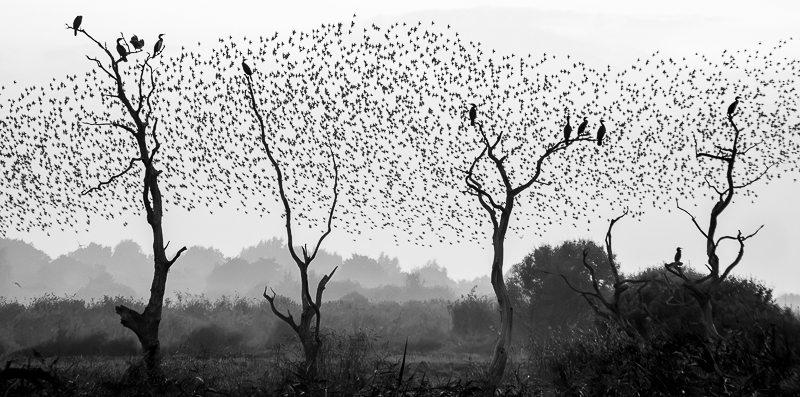
Cormorants and starlings, Titchwell, Norfolk (Entered in ‘Black & White’)

For a number of reasons I haven’t done much bird photography recently. Pardon me for blowing my own trumpet but perhaps subconciously I was influenced by the following statement in an internal document written earlier this year by Will Troughton of the National Library of Wales:

” Since then [1989] Jeremy Moore has become recognised as Wales’ leading environmental photographer. Over the succeeding years the Library has been fortunate to acquire over 400 high quality prints from different projects covering the length and breadth of Wales. His meticulous work has received extensive praise from many quarters.”

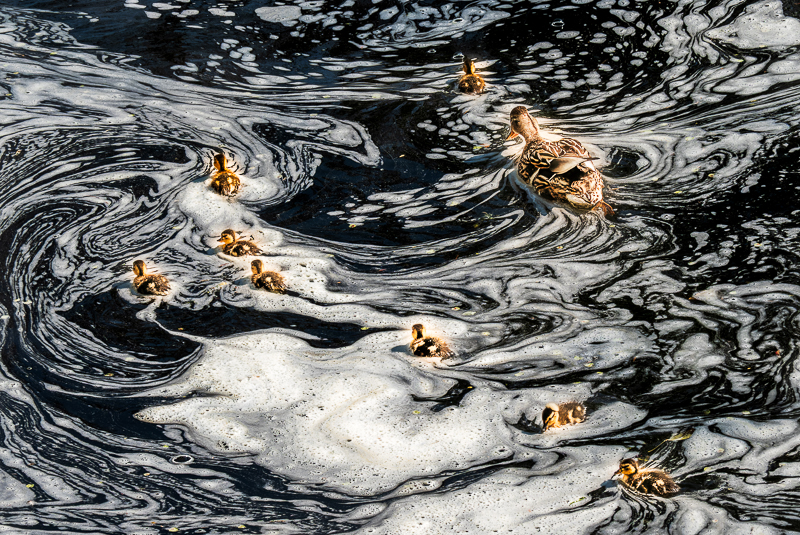
Mallard family
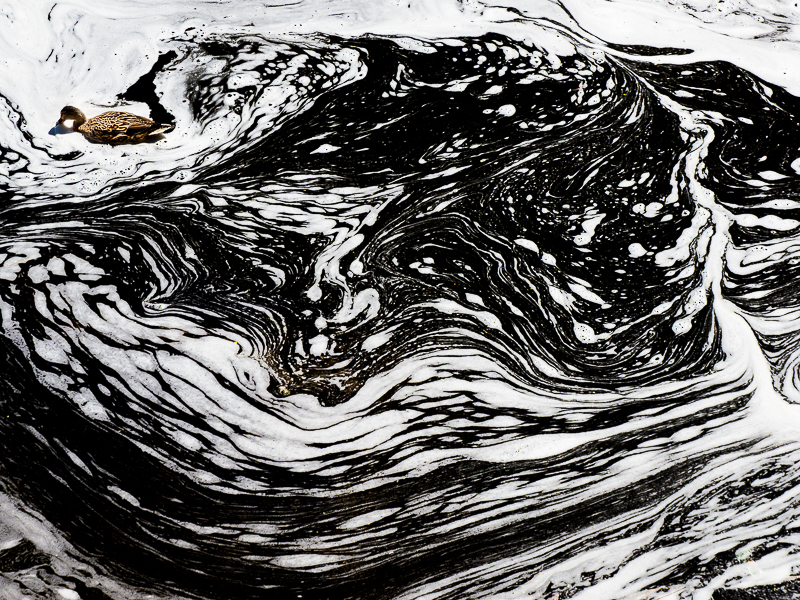
Mallard (both entered in ‘Abstract’)

Will has now retired so whether that support will continue under his successor remains to be seen. But who could resist quoting that statement? I guess I didn’t spend much time on the birdlife of Coed Tamsin during my project there during 2025-2026, and since then my main focus has been on documenting the wildfires occurring all over Wales during the late summer. That will probably continue.

However I recently came across the WildArt Bird Photography Awards. Its publicity blurb includes the following statement :

When we launched the awards back in July, we hoped our vision of celebrating creativity, originality and a different way of looking at birds would strike a chord with photographers around the world. The response has been fantastic, and we’re enormously grateful to everyone who has helped make our first year such a success.

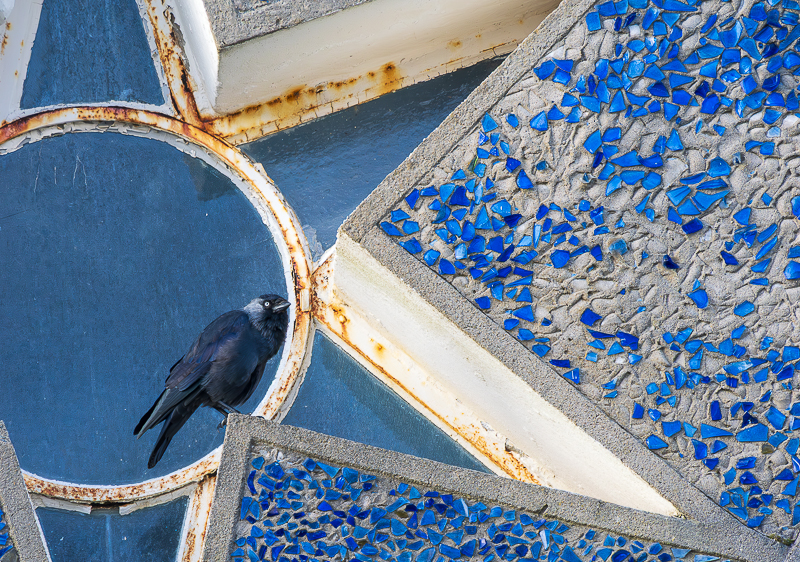
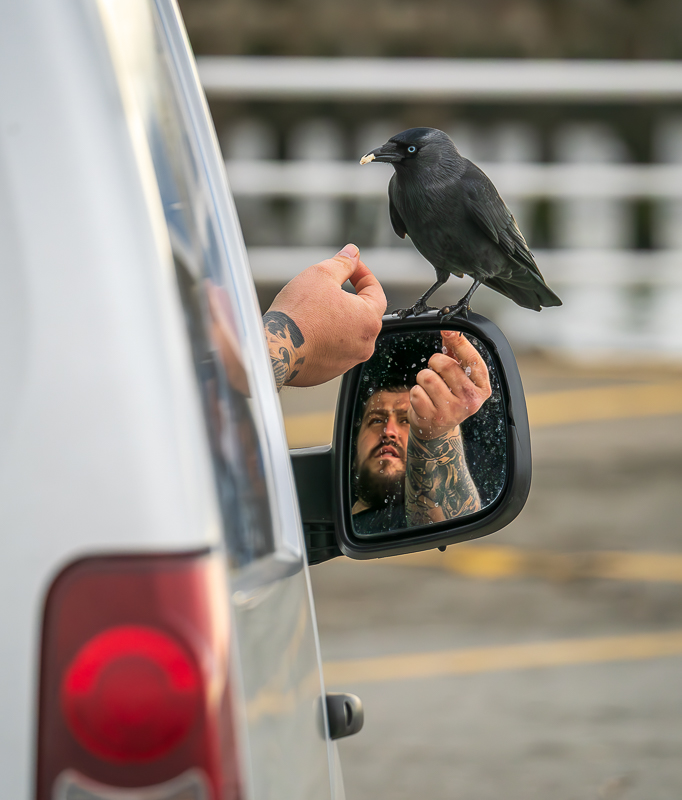
Jackdaws (Both entered in “Urban”)

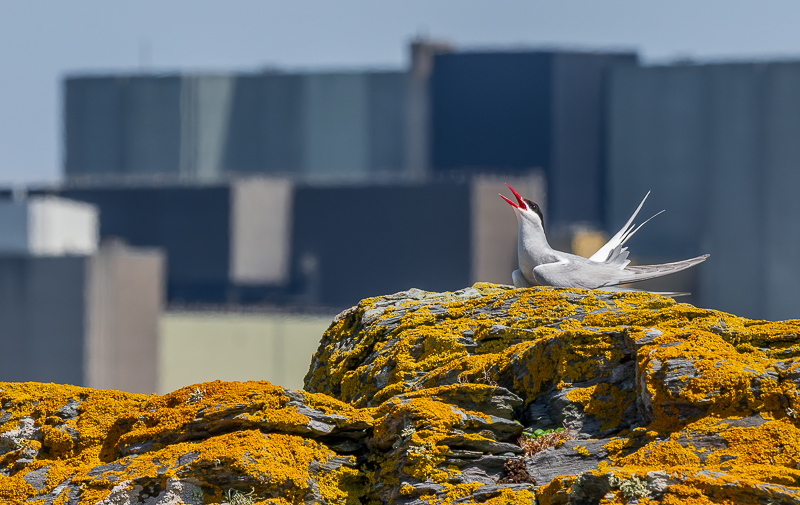
I had some success in the BWPA a few years ago (two ‘highly commended images’ – or was it three….? ) but there is some concern that these competitions are primarily about raising money for their organisers. So I haven’t entered any for a number of years. But in a bit of a ‘what the hell’ moment I handed over my rather substantial entry fee and began the very enjoyable process of searching through images accumulated over the last few years that I thought might fit the bill. So I’m posting a few of my entries here. Some are very definitely not your standard bird pictures: I particularly like the Mallard images – entered into the ‘abstract’ category – in which you may struggle to find any actual birds!

Arctic tern, Anglesey (Entered in ‘Urban’)

So wish me luck!

To read more Tales from Wild Wales as they are published, please click the Follow button